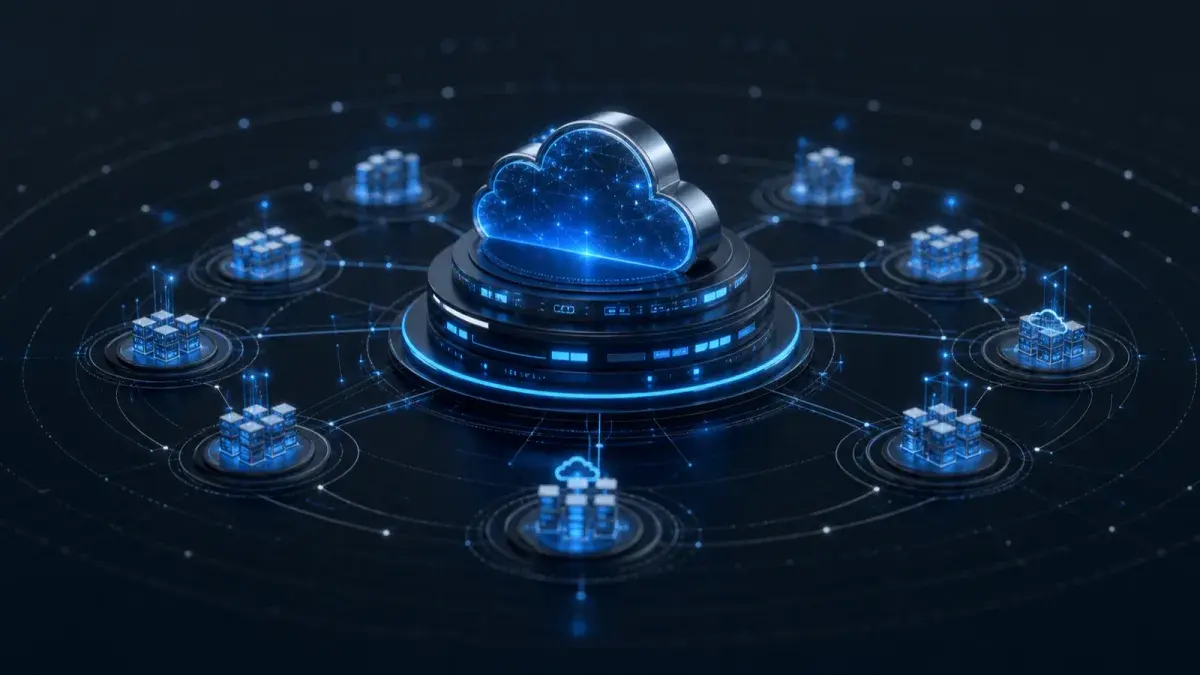
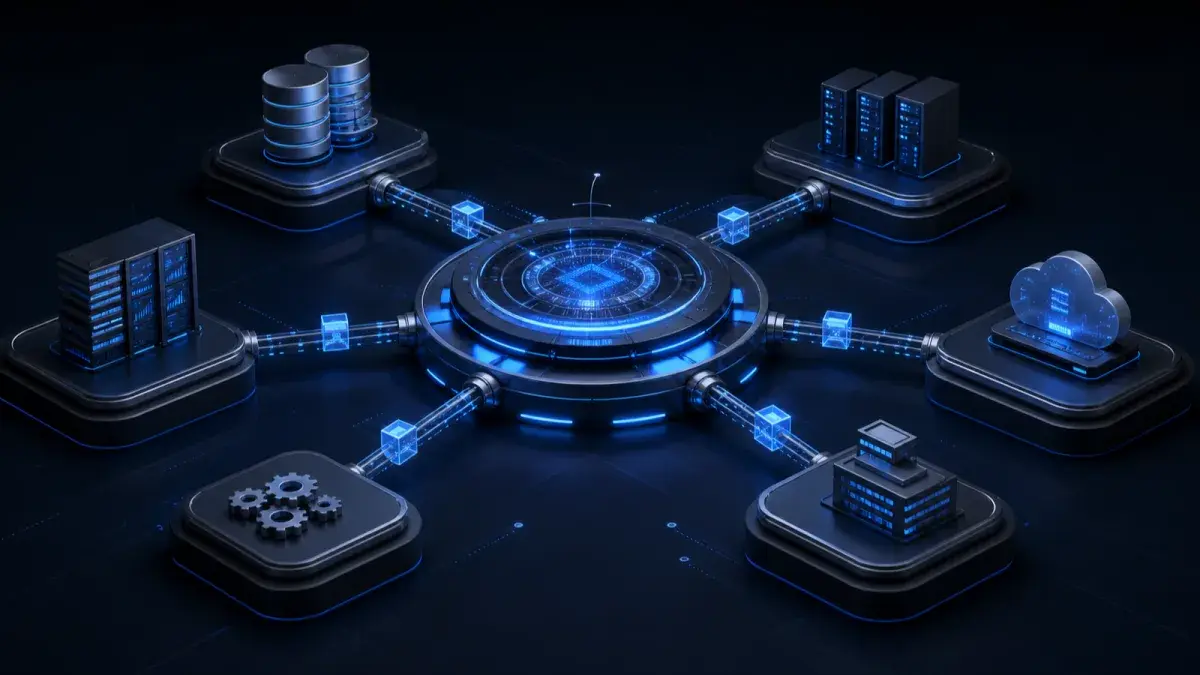
API integration enables separate software systems to exchange approved information and coordinate actions. It replaces repeated manual transfer with a controlled flow between the tools a business already depends on.
Which systems can be integrated?
Customer management, accounting, e-commerce, logistics, payment, human resources and reporting platforms are common examples. The feasibility of each connection depends on the provider's capabilities, data model and security requirements.
Business benefits
When information moves reliably between systems, teams avoid duplicate entry and gain a more current operational view. Automated validation can also detect missing or inconsistent records earlier.
- Less repetitive data entry
- Faster and more consistent operations
- Current information across departments
- Better traceability of system exchanges
A reliable integration architecture
Production integrations need authentication, permission boundaries, error handling, retry policies, monitoring and version management. Sensitive data should be minimized and protected throughout the exchange.
A well-designed integration turns disconnected software into a coherent operating environment without sacrificing security or control.